The Space Heater Fire Waiting Three Feet From Your Couch
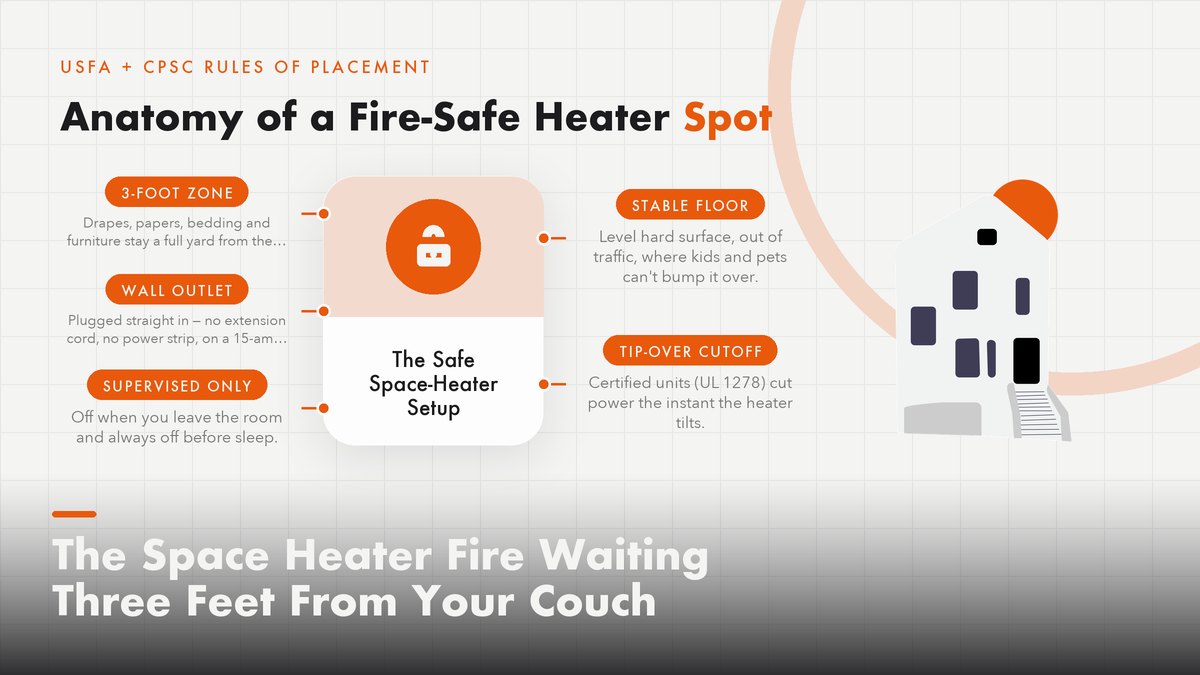
Heating equipment caused an estimated 32,200 home fires in 2021, and the small plug-in heater under your desk is the piece of it most likely to kill someone. The three feet of clearance around it, the outlet behind it, and the habit of turning it off decide the outcome. Below are the fire data, the placement and outlet rules the federal agencies actually publish, and the operating rhythm that keeps a $40 appliance from becoming the worst night of your year.
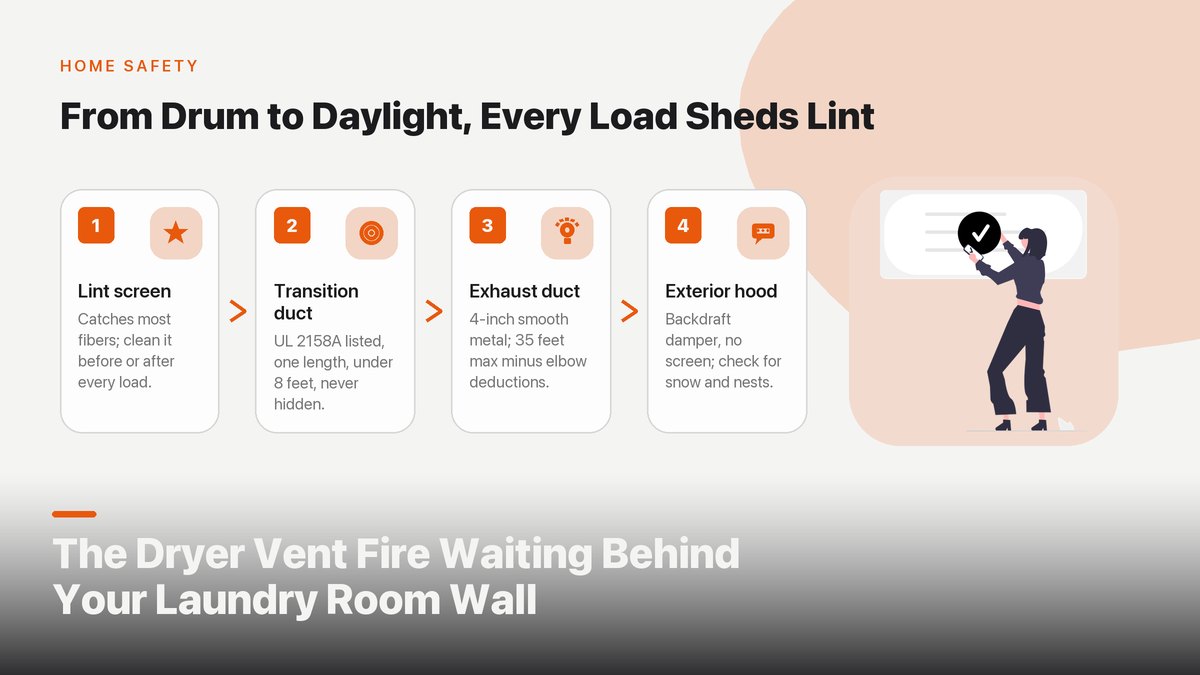
The Dryer Vent Fire Waiting Behind Your Laundry Room Wall

The lint screen you clean after every load is the easy half of the job. The other half is a four-inch duct full of highly combustible fuzz, hidden behind drywall and under insulation, running from your dryer to the outdoors, and fire departments answer for it close to 3,000 times a year. What follows is the fire data, the vent the building code actually wants behind your wall, and the cleaning routine that takes the risk back down.

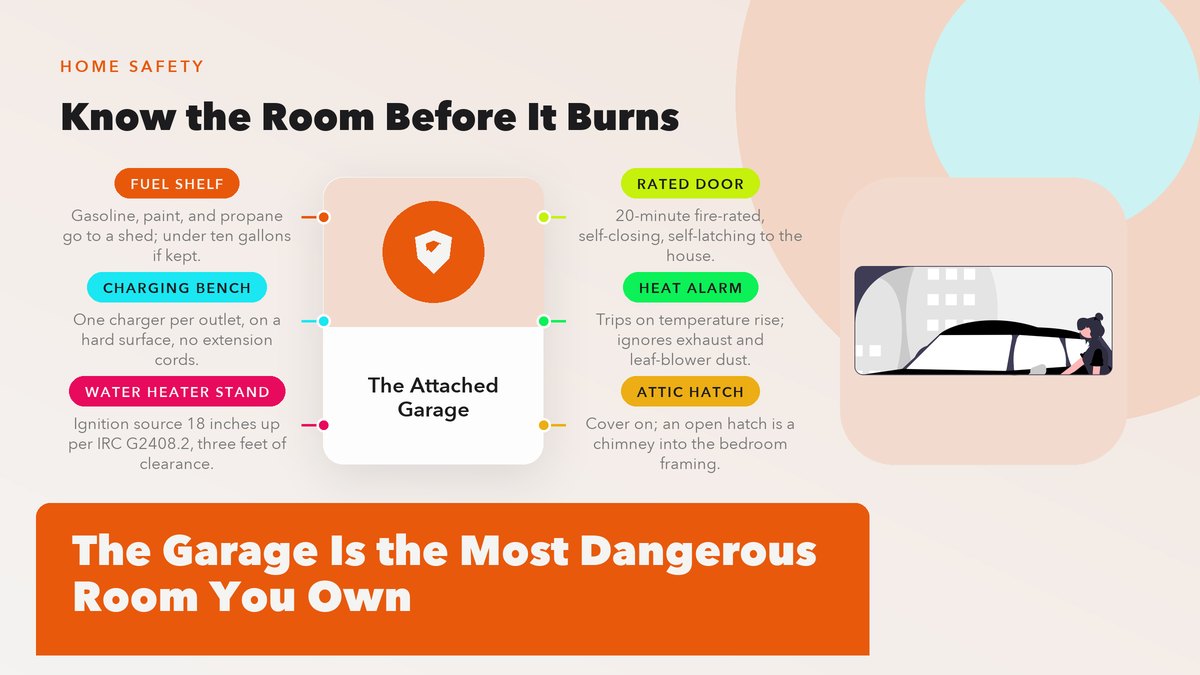
The Garage Is the Most Dangerous Room You Own: A Safety Tour in One Afternoon

Ask a firefighter where a house fire does the most damage per fire started, and you won’t hear “kitchen.” Garage fires burn past the first alarm more often, hurt more people, and cost more per incident than fires that start anywhere else under your roof, and the room itself is the reason. This is the one-afternoon tour that takes yours from fuel depot back to parking spot.

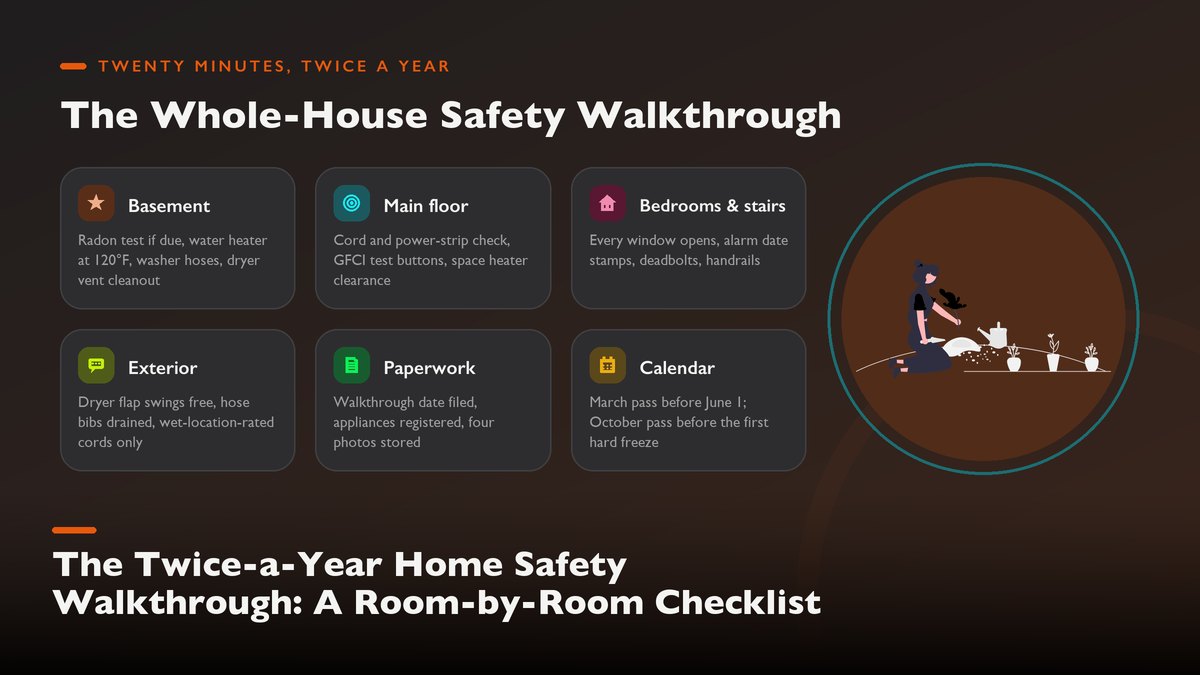
The Twice-a-Year Home Safety Walkthrough: A Room-by-Room Checklist

Twice a year, ideally on the weekend the clocks change, one slow walk through your house can catch the small failures before they turn into the story a fire marshal tells about your address. The dryer vent packed with lint, the smoke alarm whose date stamp passed years ago, and the stiff shutoff valve are each twenty-minute finds on a Sunday, if you know where to look.

China Travel Tips for First-Time Visitors: What to Know Before You Go

China rewards travelers like few countries on Earth — imperial palaces and neon megacities, sacred mountains and street food alleys, high-speed trains gliding past rice terraces at 350 kilometers per hour. But it also runs on systems unlike anywhere else: payments happen through phone apps, popular Western websites don’t work without preparation, and attractions that seem infinite sell out days in advance. The travelers who struggle in China are almost never defeated by the language or the crowds; they are defeated by arriving unprepared for how differently daily logistics work. The travelers who prepare, meanwhile, consistently report it as one of the smoothest and safest trips they have ever taken. This guide covers the essentials that make the difference: entry requirements, money, connectivity, transport, booking culture, food, and etiquette.

Financial Planning for Kids: How to Raise Money-Smart Children

Teaching children about money is one of the most valuable gifts a parent can give. While schools rarely cover personal finance in depth, the habits kids form early — saving, budgeting, and thinking before spending — often stay with them for life. The good news is that financial planning for kids doesn’t require complicated tools or a finance degree. It starts with simple conversations, age-appropriate lessons, and a few smart accounts.

Riding Out a Power Outage Safely

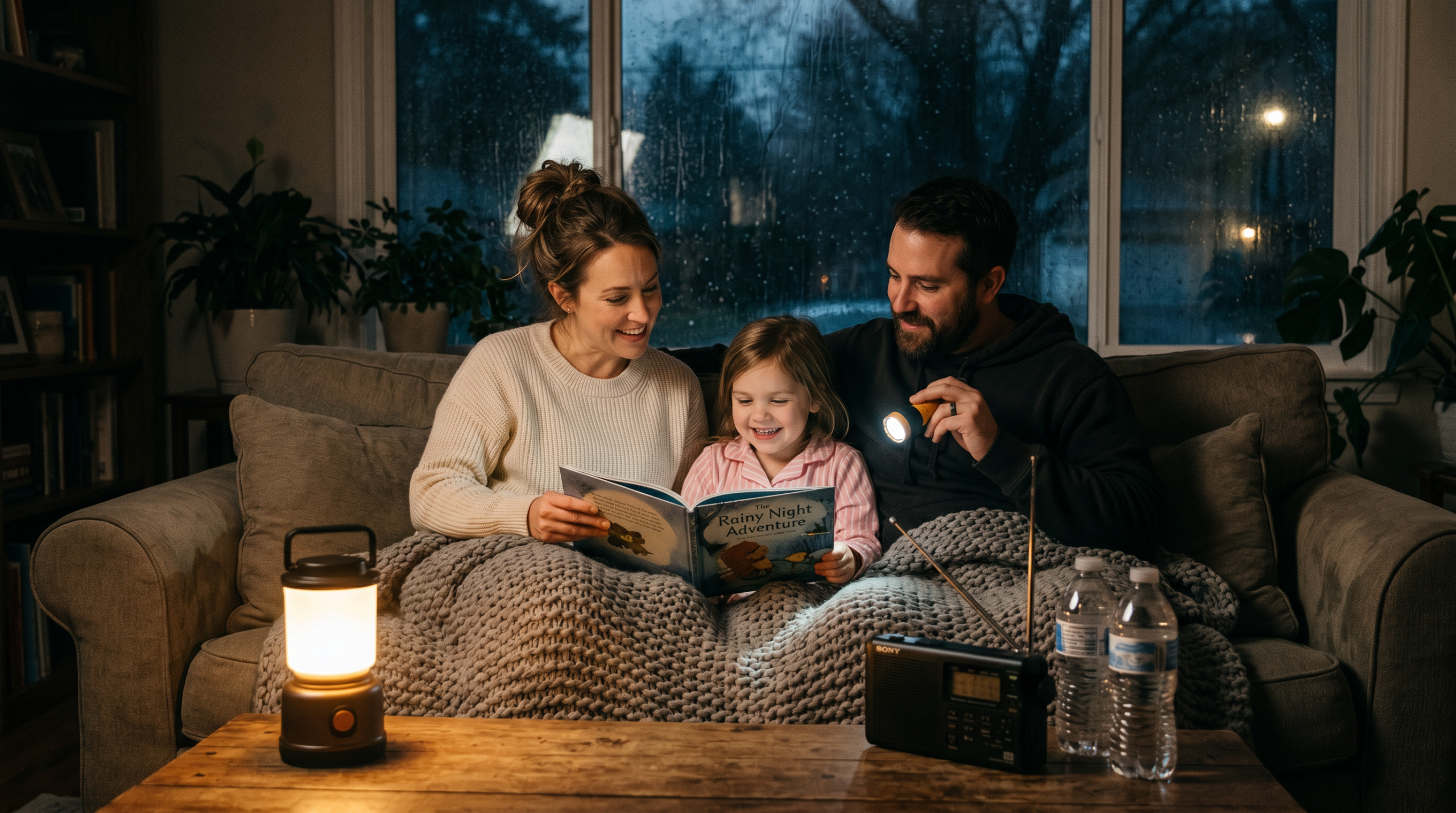
The safest outage is one you’ve already prepared for, and the centerpiece is a simple kit kept somewhere you can find it in the dark. Stock flashlights and a battery or hand-crank lantern — not candles, which are a leading cause of house fires — along with plenty of spare batteries. Keep at least a three-day supply of water (a gallon per person per day) and non-perishable food with a manual can opener , since your electric one won’t work. Add a battery-powered or hand-crank radio to get emergency information, charged power banks for your phones, a first-aid kit, any essential medications, and some cash , because ATMs and card readers go down with the grid.

The Kitchen Habits That Quietly Prevent Food Poisoning

  When people get food poisoning, they tend to blame the last restaurant they visited — but most foodborne illness actually starts at home, in ordinary kitchens, from small invisible mistakes nobody noticed making. It’s a bigger problem than most of us assume: the CDC estimates about 48 million Americans get sick from food each … Read more