Five First-Aid Skills Every Household Should Actually Know

One thing before we start: reading an article is not the same as training. This is an overview to make you aware and prepared — not a substitute for a hands-on certified course, where you practice these skills on a manikin until your hands remember them. Please take a CPR and first-aid class through the Red Cross or AHA. And in any real emergency, the first step is always the same: call 911 (or your local emergency number) right away.
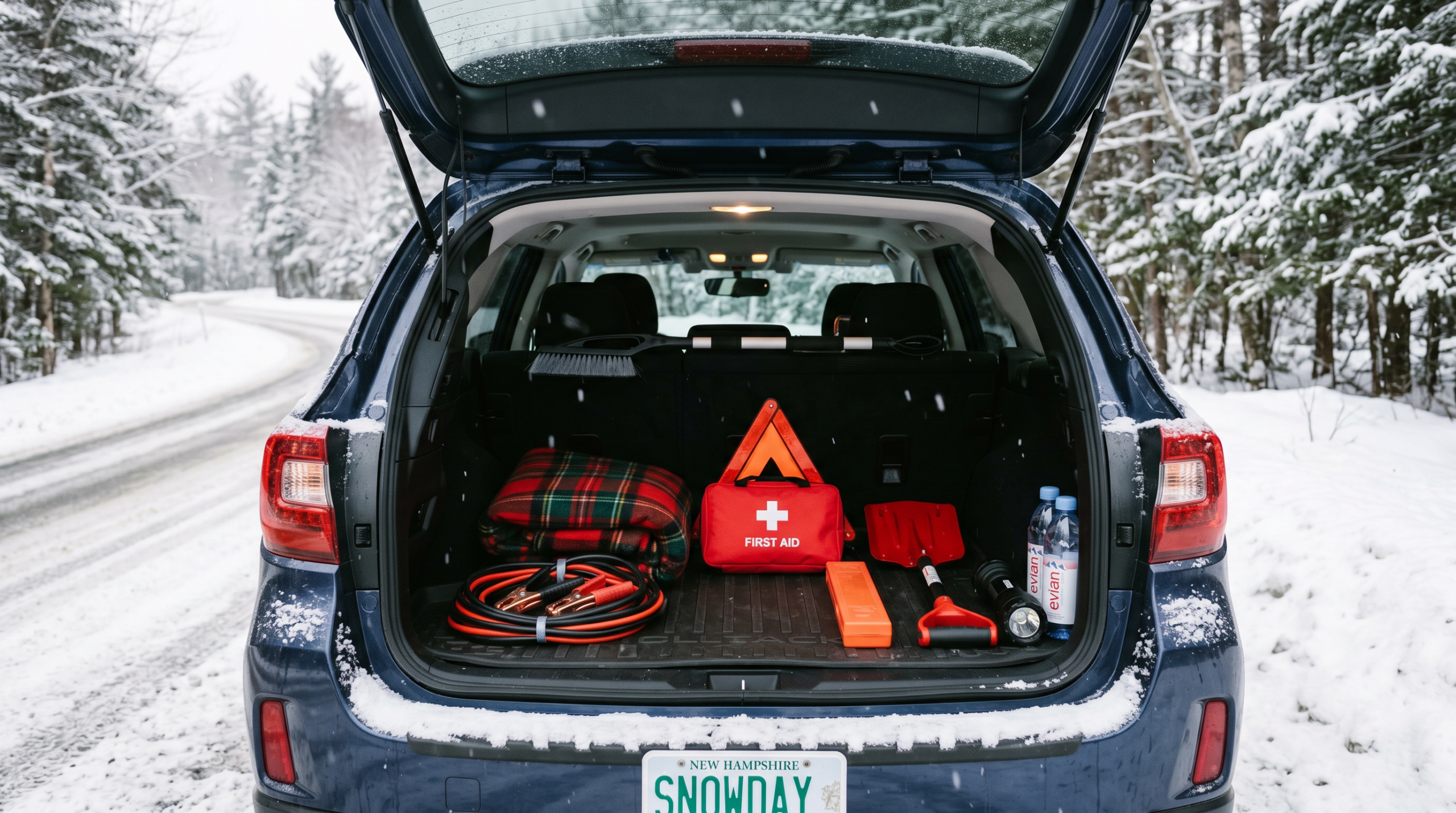
Winter Driving and the Emergency Kit for Your Trunk

Winter safety starts in the driveway, not on the highway. Before the cold settles in, give your vehicle a once-over. Your tires matter most — check that the tread is deep enough to grip and that they’re inflated to the right pressure, since cold air lowers it and bald tires are nearly useless on snow. Have your battery tested, because cold dramatically cuts its power and a marginal battery dies on the first frigid morning. Top off the coolant to the manufacturer’s spec, make sure the defrosters and heater work, and replace worn wiper blades — ideally with winter blades — while filling the reservoir with cold-weather washer fluid that won’t freeze, because a single snowstorm can drain it fast. Check that every light works, and keep your gas tank at least half full all winter to reduce the risk of a frozen fuel line and to give you a reserve if you’re ever stuck.

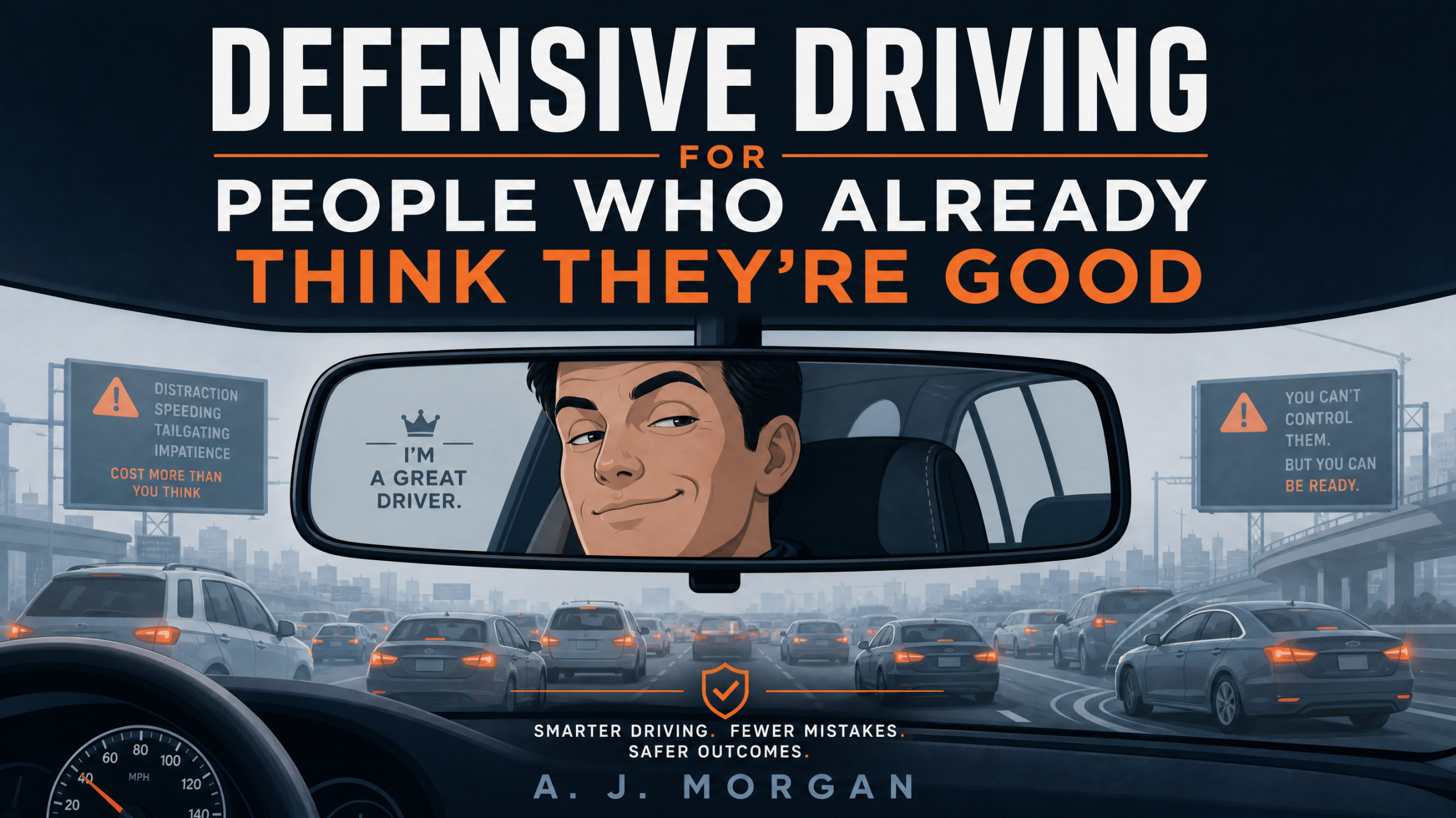
Defensive Driving for People Who Already Think They’re Good

Here’s the uncomfortable framing worth sitting with: defensive driving is not a remedial course for people who are bad at driving. It’s the actual discipline that good drivers practice — the difference between someone who has simply avoided a crash so far and someone who is actively, continuously lowering their odds of one. Roughly 39,000 to 41,000 people die on U.S. roads every year , and the overwhelming majority of those crashes trace back not to a lack of raw skill but to lapses in attention, judgment, and habit. Skill isn’t what keeps you alive out there. Discipline is. Let’s talk about what that discipline actually looks like.

Your Identity Was Stolen: The First Seven Steps

Before the steps, one reassurance worth holding onto: you are almost certainly not on the hook for most of the fraud. Federal law caps your liability for unauthorized credit card charges at $50, and if you report the card before it’s used, you owe nothing. Under most state laws you aren’t responsible for debts run up on brand-new accounts a thief opened in your name without your permission. Identity theft is also one of the most common crimes in the country — millions of people go through this every year and come out the other side with their credit and finances restored. The damage feels enormous on day one, but it is recoverable. Your real enemies now are delay and disorganization, not the thief. So let’s get organized and move.

The Scams Hitting Ordinary People Right Now

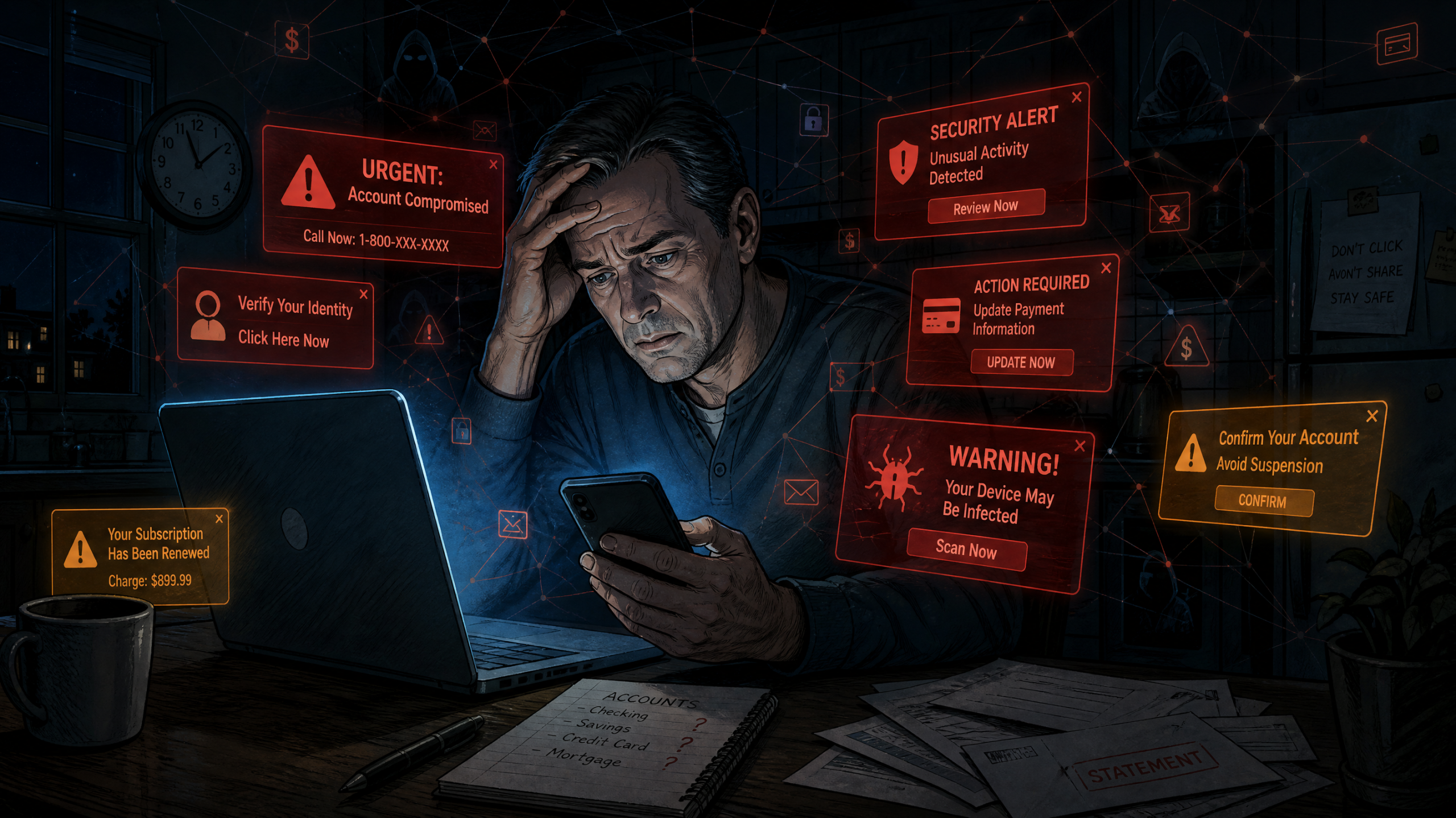
First, let go of the idea that scam victims are careless or naive. The FTC’s data tells a different story: people in their twenties report losing money more often than people over seventy, and older adults who get hit tend to lose far more per incident. Scams reach across every age, income, and education level, because they don’t exploit stupidity — they exploit trust, fear, urgency, and the ordinary distraction of a busy day. The shame that keeps so many victims silent is itself part of the problem; experts believe the real losses dwarf even the reported ones, because most people are too embarrassed to come forward. Knowing how these work isn’t a luxury. It’s basic literacy now.

Lock Down Your Home Wi-Fi in an Afternoon

  There’s a little box somewhere in your home — on a shelf, behind the TV, in a closet — that almost everything you do online passes through. Your banking app, your work laptop, your kids’ tablets, your smart speaker, your video doorbell, your thermostat: all of it flows through your router. And for most … Read more